


They are the number of shares actually owned by the company’s shareholders. Here’s how to find and calculate the amount of preferred stock outstanding from a company’s balance sheet. The first of these, unrestricted shares, is also known as “the float.” These are the shares that can be actively traded on the open market. If shares have been reserved through your company’s stock incentive plan (“SIP”) or a stock option pool, but not yet allocated to an individual, they are considered reserved shares. The balance sheet is one of the key documents that investors use to evaluate a company, so it’s important to become familiar with it. Floating stock, which is also known as a company’s float, refers to the number of shares a company actually has available to trade in the open market.
AccountingTools

As a result, it decreases the number of outstanding stocks in the public and increases the amount of treasury shares. 600 shares are issued as floating shares to the general public, 200 are issued as restricted shares to company insiders, and 200 are kept in the company’s treasury. In this case, the company has 800 outstanding shares and 200 treasury https://www.facebook.com/BooksTimeInc shares. Total outstanding shares represent the number of shares of a company’s stock that are currently held by all its shareholders, including institutional investors, company insiders, and the public.
- Many of the financial ratios used in the fundamental analysis include terms like outstanding shares and the float.
- For instance, a 2-for-1 stock split reduces the price of the stock by 50%, but also increases the number of shares outstanding by 2x.
- No, float—short for floating stock or floating shares—can’t be higher than shares outstanding.
- Authorized shares, meanwhile, are the maximum number of shares a company can issue, based on its corporate charter.
- Stock splits are often initiated to lower the share price, making it more accessible to retail investors and enhancing market liquidity.
- While a company has a certain number of outstanding shares, not all of those shares are available for trading, since they may be closely held by some (large) investors.
Authorized vs. Issued and Outstanding Shares
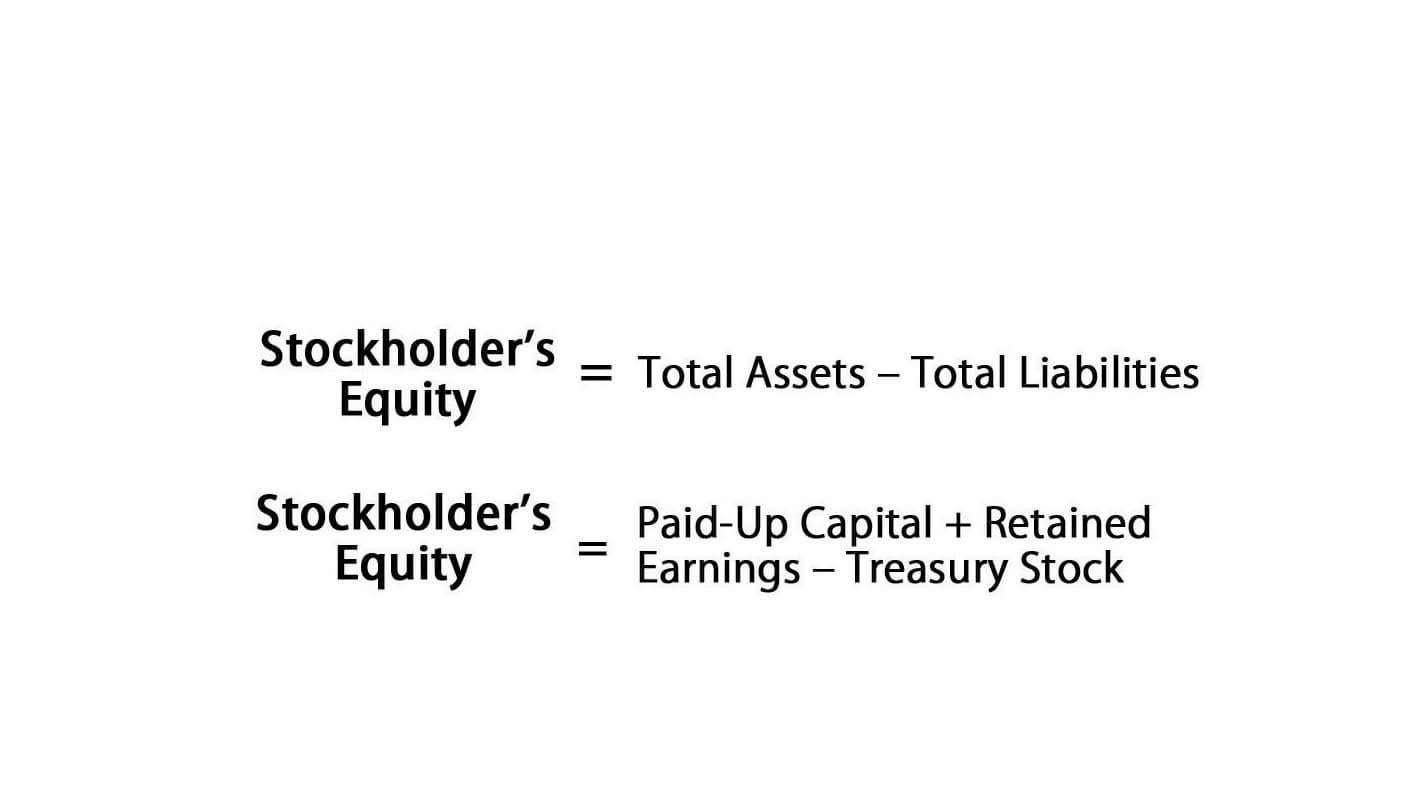
The category does not include treasury stock, which is the company’s own stock held by the company. A stock split occurs when a company increases its shares outstanding without changing its market cap or value. A company’s number of shares outstanding is the number of shares investors and company executives currently own, while the number of issued shares is the number of shares that have ever been traded in the stock market.
What Are Outstanding Shares?
- Most of the time, corporations will tell investors how many shares of stock they’ve issued, but sometimes, it’s helpful to be able to calculate those numbers on your own.
- Total shares outstanding decreased from more than 21 billion in 2016 to less than 17 billion in 2020.
- For example, if a company has 10 million shares outstanding and its CEO holds 2 million of those, the company has 8 million floating shares, or 80 percent float.
- Outstanding shares are the total number of common stocks owned by investors.
- These shares are not considered outstanding because they are not held by public or institutional investors.
- Once you have collected the total number of preferred shares, common shares outstanding, and treasury shares, you’re ready to do your calculation.
In particular, the common stock line of the balance sheet will typically have a number that equals the par value of each share multiplied by the number of shares issued. Therefore, if you have the balance sheet entry and the par value, you can calculate the issued share count. In some cases, there will be a separate line item on the balance sheet for treasury stock, and a similar calculation can tell you the number of shares issued but not outstanding. Conversely, outstanding stocks will decrease if a firm completes a what are retained earnings share buyback or a reverse stock split (consolidating a corporation’s shares according to a predetermined ratio).
The market capitalization method
The number is used to calculate many common financial metrics, such as earnings per share (EPS) and market capitalization. Outstanding shares provide insights into a company’s size, ownership structure, and market capitalization. The number of outstanding shares affects several key financial metrics and ratios, including earnings per share (EPS) and price-to-earnings (P/E) shares outstanding formula ratio. A company’s outstanding shares, the total shares held by shareholders excluding treasury stock, can fluctuate due to various factors.

Key Takeaways
For a blue chip stock, the increased number of shares outstanding due to share splits over a period of decades accounts for the steady increase in its market capitalization and concomitant growth in investor portfolios. Of course, merely increasing the number of outstanding shares is no guarantee of success; the company has to deliver consistent earnings growth as well. In addition to listing outstanding shares or capital stock on the company’s balance sheet, publicly traded companies are obligated to report the number issued along with their outstanding shares.
- Treasury shares are the portion of shares that a company keeps in its own treasury.
- For a blue chip stock, the increased number of shares outstanding due to share splits over a period of decades accounts for the steady increase in its market capitalization and concomitant growth in investor portfolios.
- Trusted by over 2 Cr+ clients, Angel One is one of India’s leading retail full-service broking houses.
- A company’s public float is often expressed as a figure or a percentage of the company’s total outstanding shares.
- The tech company spent billions buying back its stock during these years.
- Companies may provide executives with stock options that can be converted to shares.
- As we already explained, shares that can be freely bought and sold by public investors are called the float.
Stock market crash, these stocks are holding their own
We are compensated in exchange for placement of sponsored products and services, or by you clicking on certain links posted on our site. Therefore, this compensation may impact how, where and in what order products appear within listing categories, except where prohibited by law for our mortgage, home equity and other home lending products. Other factors, such as our own proprietary website rules and whether a product is offered in your area or at your self-selected credit score range, can also impact how and where products appear on this site.

Can the number of outstanding shares change?

Denoting the greatest proportion of stocks trading on the exchanges, the float consists of regular shares that many of us will hear or read about in the news. Once you have collected the total number of preferred shares, common shares outstanding, and treasury shares, you’re ready to do your calculation. Shares outstanding are useful for calculating many widely used measures of a company, like its market capitalization and earnings per share (EPS). Companies may provide executives with stock options that can be converted to shares. However, these stock benefits are not included in the tally of shares outstanding until shares are fully issued. Warrants are instruments that give the holder a right to purchase more outstanding stock from the company’s treasury.